
Sewer & Plumbing Services in Austin, IL
Local Plumbing Expertise
In Austin, IL—a West Side neighborhood with over 100-year-old brownstones, historic bungalows, and Victorian homes—water and sewage infrastructure work hard. This guide covers plumber services in Austin, IL including water line repair, sewage disposal service, leak detection, and ejector pump work.
Many Austin homes have basement utilities, lower-level bathrooms, and laundry rooms. When fixtures sit below the main sewer line—common in this neighborhood's building stock—an ejector pump is essential.
You'll find practical details here on how these systems work, what to watch for, and why professional care matters in a neighborhood where old pipe infrastructure meets modern drainage demands.
How We Work
From the moment you reach out, you'll know what to expect—clear guidance, on-site evaluation, and straightforward options.
What's Involved
Plumbing work in Austin homes follows a clear path. We diagnose the problem first, walk you through your options, get necessary permits, complete the work, and verify everything operates correctly.
Diagnose the Problem
We inspect your water lines, drains, ejector pump, or sewage disposal system to pinpoint the issue and explain what's happening.
Explain Your Options
Repair or replace? New installation or maintenance plan? We outline the path forward so you can make an informed choice.
Secure Permits
Chicago and Austin have specific plumbing codes. We handle permit paperwork so your work meets all local requirements.
Perform the Work
Whether it's a water line replacement, ejector pump service, or backwater valve install, we execute with precision and care.
Verify & Test
Final inspection confirms the system works correctly. You leave with confidence that your plumbing is solid.
You'll always know what's happening next—and when.
Our Services
We specialize in the plumbing work that keeps Austin homes and basements functioning well.
Water Line Repair & Replacement
Many Austin homes were built with galvanized steel water lines that age and corrode. Low water pressure, rust-colored water, or leaks under the floor signal it's time to replace. We install new copper or PEX lines that last decades.
- Handles high water pressure spikes safely
- Complies with Chicago plumbing codes
- Works in historic homes with tight spaces
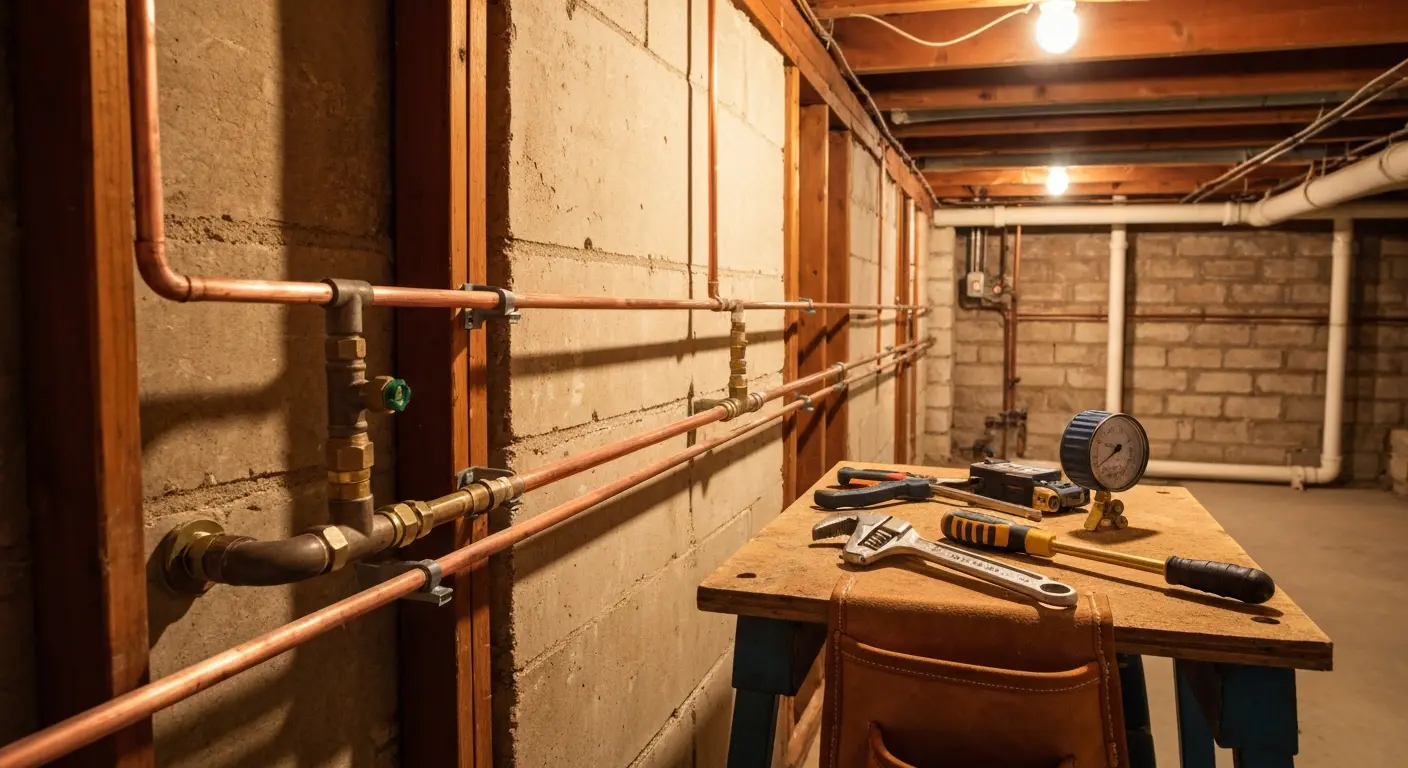
Water line work in South Austin homes and Chicago brownstones
Ejector Pump Installation & Repair
Basement bathrooms and laundry rooms in Austin require an ejector pump to lift wastewater up to the sewer line. Noise, water backup, or foul odors mean the pump needs attention. We install new systems or repair existing ones.
- Sized correctly for your home's fixtures
- Vented safely to prevent sewer gas buildup
- Inspected and permitted according to code
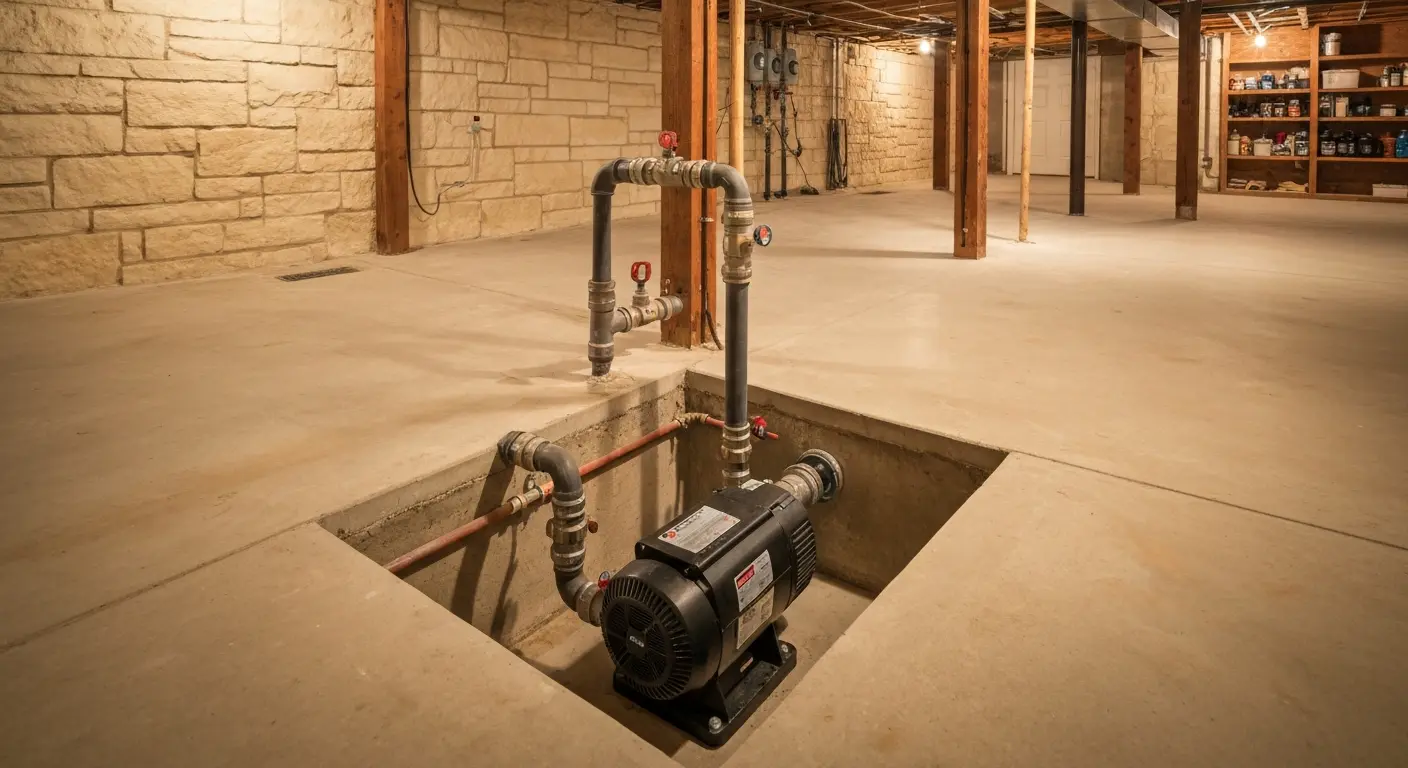
Ejector pump installation and repair in basements throughout Austin
Leak Detection Services
Hidden leaks inside walls or under slabs waste water and cause damage you can't see. Our detection equipment pinpoints exactly where the problem is—without unnecessary digging or demolition.
- Non-invasive acoustic listening technology
- Saves money by targeting exact repair spot
- Prevents costly foundation or mold issues
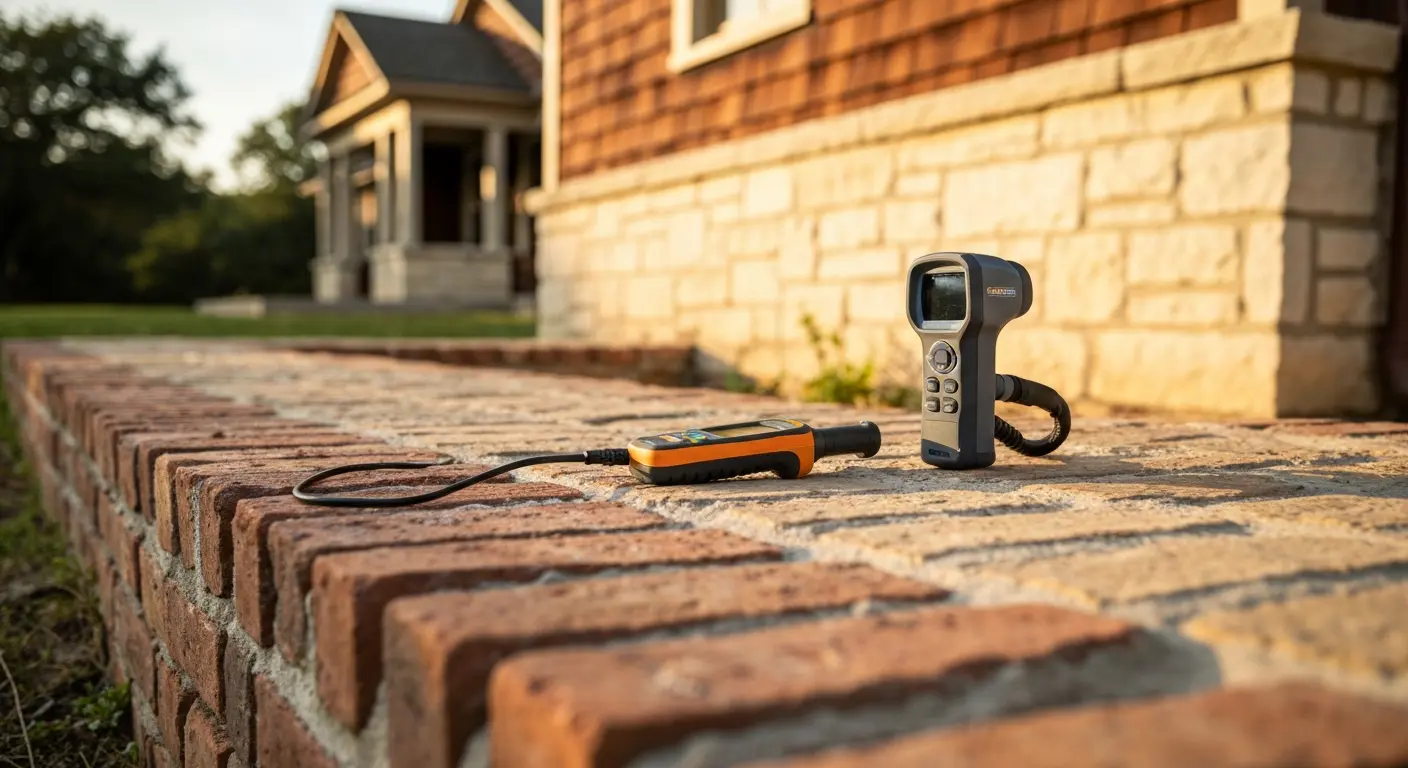
Finding leaks in older Austin homes with precision
Backwater Valve Installation & Repair
Heavy rain or sewer backups can flood your basement. A backwater valve lets sewage flow out but prevents it from flowing back in. Essential protection for Austin homes with low-level fixtures.
- Automatic or manually operated options
- Installed in the cleanout or main line
- Requires periodic inspection and cleaning
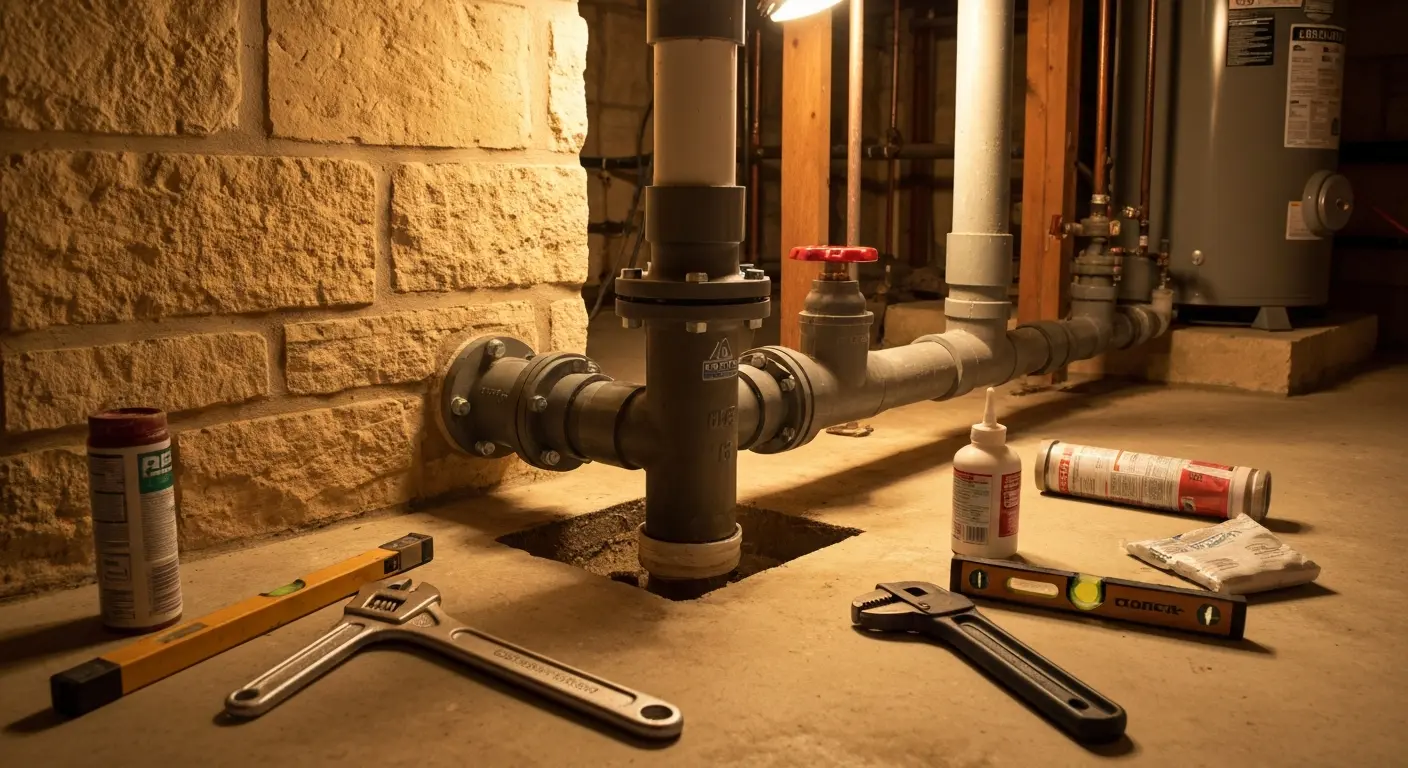
Backwater valve protection in Galewood, North Austin, and Midway Park neighborhoods
Why Local Expertise Matters
Austin's history shapes its plumbing challenges in specific ways.
Historic Building Stock Requires Care
Austin developed between 1870 and 1920 as a vibrant residential neighborhood of single-family homes, Chicago bungalows, two-flats, and Victorian mansions. Many of these structures still have original cast-iron drains, galvanized supply lines, and shallow foundations.
Working on these homes demands knowledge of old plumbing configurations, material compatibility, and how modern code applies to pre-1950 construction. A generic plumber may miss these nuances.
Austin bungalows and brownstones have tight basements and limited access. We know how to navigate these spaces safely and efficiently.
Basement Fixtures = Ejector Pump Reality
Chicago's flat topography and older infrastructure mean many Austin homes have sewers at or above ground level. Basement bathrooms, laundry rooms, and utility sinks sit below the main sewer line, making ejector pumps essential—not optional.
We understand Chicago's unique sewage system, local code requirements, and how to size and install pumps that handle your specific fixture load.
A failing ejector pump in Austin isn't just inconvenient—it's a health and property risk in a densely built neighborhood.
Chicago Permits & Inspection Standards
The City of Chicago enforces the Chicago Building Code and Chicago Plumbing Code. Permits are required for most plumbing installations, replacements, and repairs. Inspections happen at key stages.
We handle permit applications, schedule inspections, and ensure your work passes the first time. No surprises, no rework, no fines.
Featured Question
What are the signs that my ejector pump is failing in Austin, IL?
Watch for water backup in basement drains or toilets, unusual grinding or squealing noises, persistent foul odors from drains, pooling water around the pump pit, or frequent cycling (turning on and off without draining). Any of these signals prompt professional inspection before sewage overflows.
- Wastewater backup in basement fixtures
- Grinding, clanking, or chattering sounds during operation
- Visible sewage or standing water near the sump pit
- Sewer gas or rotten egg smells in the basement
Don't wait. Call immediately if you notice any of these signs—a failing pump can flood your basement or create health hazards.
Frequently Asked Questions
What permits do I need for plumbing work in Austin?
Most plumbing installations, repairs, and replacements in Chicago require a permit. We apply for permits on your behalf and schedule required inspections so your work meets city code.
Why do Austin homes need ejector pumps?
Chicago's flat topography and older neighborhood layouts mean basement fixtures often sit below the main sewer line. An ejector pump lifts sewage upward so it can drain properly into the city system.
How often should an ejector pump be inspected?
Annual inspection is ideal, especially if you use the basement heavily. Regular maintenance catches small issues before they become costly failures.
Can I use PVC pipes in my Austin home's plumbing system?
Chicago Building Code allows specific PVC applications in residential occupancies up to 60 feet in height. We know the rules and recommend materials that comply with local code.
What should I do if sewage backs up into my basement?
Stop using fixtures immediately and call a plumber. Sewage backup is a health emergency. A backwater valve or ejector pump repair can prevent future incidents.
How do I know if I have a hidden water leak?
Signs include a sudden spike in your water bill, damp spots on walls or floors, water sounds when no fixtures are running, or soft spots under flooring. Leak detection equipment can pinpoint the exact location.
DISCOVER WHAT OUR CUSTOMERS HAVE TO SAY ABOUT US
REVIEWS
proudly serving these areas
Chicago, IL
Downtown Chicago, IL
Loop, IL
River North, IL
Gold Coast, IL
Lincoln Park, IL
Lakeview, IL
Wicker Park, IL
READY TO take the next step?
get a free quote TODAY!
QUICK LINKS
our services
service areas
operating HOURS
Mon: 7:00 am - 6:00 pm
Tue: 7:00 am - 6:00 pm
Wed: 7:00 am - 6:00 pm
Thu: 7:00 am - 6:00 pm
Fri: 7:00 am - 6:00 pm
Sat: 8:00 am - 4:00 pm
Sun: Closed - Closed