
Sewer & Plumbing Services in Hyde Park, IL
Local Plumbing Expertise
Near the University of Chicago and Lake Michigan shoreline, Hyde Park homes face distinct plumbing challenges. These historic Victorian greystones and lakefront high-rises built between the 1880s and 1950s rely on aging infrastructure. A plumber in Hyde Park, IL who understands sewage disposal service and the neighborhood's unique systems is essential for keeping water flowing and sewage draining safely.
Heavy Lake Michigan weather, decades-old pipes, and tree-root intrusion create problems that local expertise solves quickly.
How We Work
Diagnosis guides every step, from initial inspection through final verification.
Our Service Process
Inspect & Diagnose
We examine the problem in detail. Video camera inspection of sewer lines or visual assessment of water systems identifies the exact cause before any work begins.
Present Options
We explain what must happen next. Your choices—repair, replacement, or trenchless methods—come with honest pricing and clear expectations about scope and process.
Execute the Fix
Licensed plumbers handle the work with care—especially in historic homes where original floors and architectural features matter. Minimal disruption is standard practice.
Verify & Explain
After completion, we test the system and walk you through what was done. You'll know exactly what changed and why.
You'll always know what's happening next—and why.
Our Services
Water and sewer problems demand fast, expert solutions tailored to Hyde Park's historic homes and high-rise buildings.
Sewer Line Repair & Cleaning
Older sewer infrastructure near the University of Chicago and lakefront areas often struggles. Tree roots, sediment buildup, and ground settling create backups—especially during heavy rain or Lake Michigan freeze-thaw cycles.
We rod and clear blockages, then use video inspection to reveal the true problem. If lines are cracked or collapsed, trenchless repair protects your yard and basement.
- Camera inspection locates cracks and root intrusion
- Trenchless methods minimize landscape damage
- Emergency services available around the clock
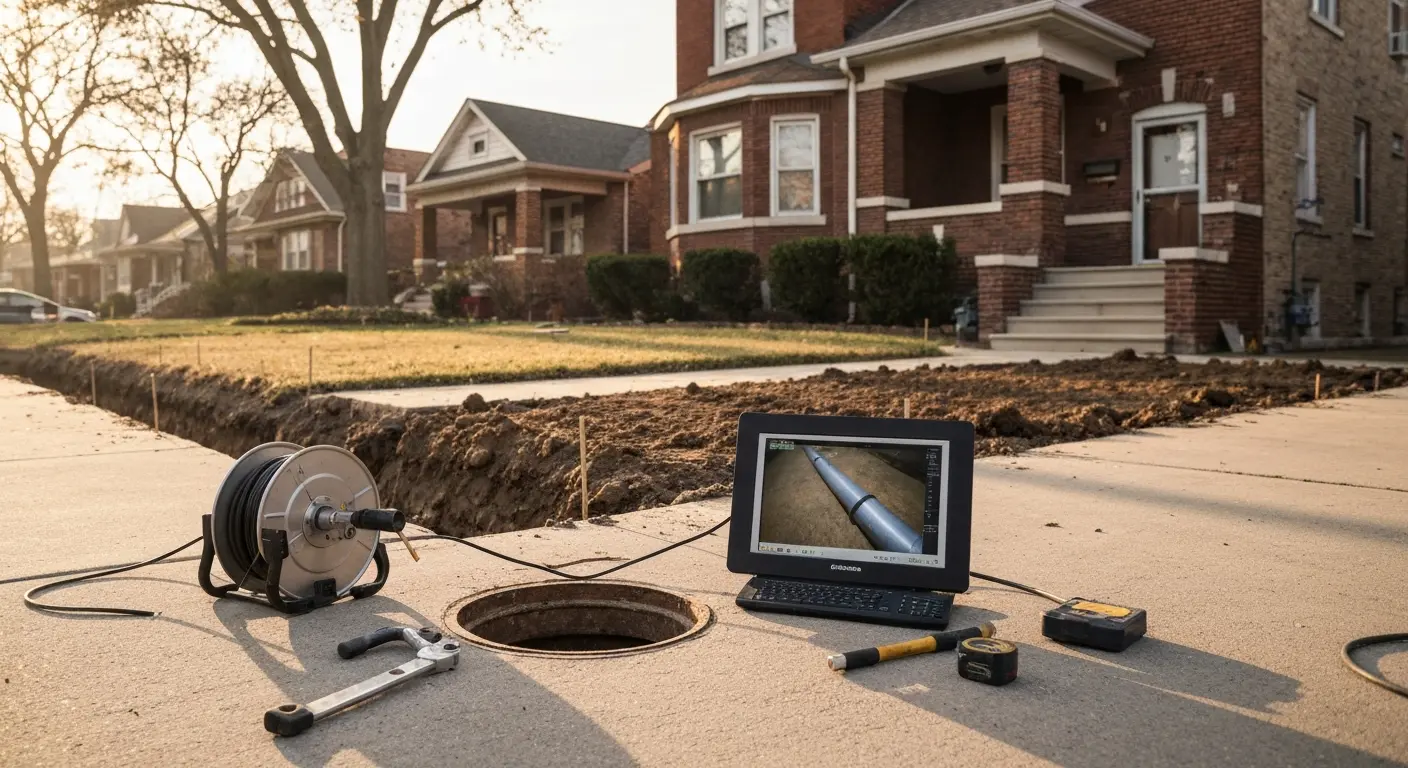
Professional sewer line assessment near Washington Park, South Side
Water Line Repair & Replacement
Victorian greystones and Edwardian homes along Kenwood and Woodlawn still carry original lead supply lines and galvanized steel pipes. Corrosion reduces water pressure and can contaminate drinking water.
Frozen pipes are common during Chicago winters. We diagnose underground leaks, replace corroded sections, and properly insulate exposed lines to prevent winter damage.
- Lead line identification and safe replacement
- Leak detection without unnecessary digging
- Freeze-protection measures for Chicago winters
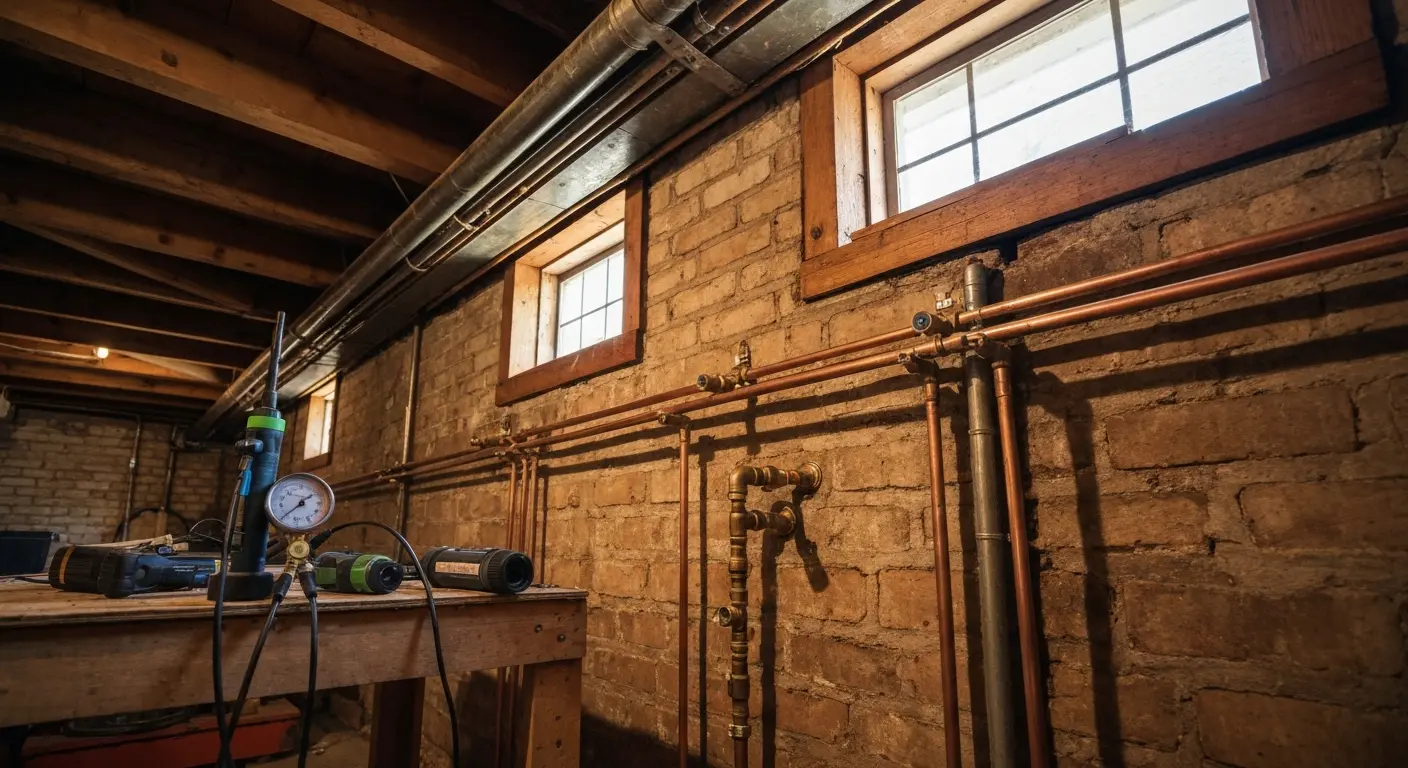
Water system assessment for historic homes near 53rd Street
Backwater Valve Installation
Basements flood when sewer systems back up during heavy storms. Backwater valves prevent sewage from flowing back into your home—a must-have protection in aging Chicago neighborhoods like Hyde Park.
We install and maintain these life-saving devices, ensuring they function correctly year-round and during Chicago's intense spring rains.
- Protects basements from sewage backup
- Annual inspection and maintenance services
- Code-compliant installation for Chicago properties
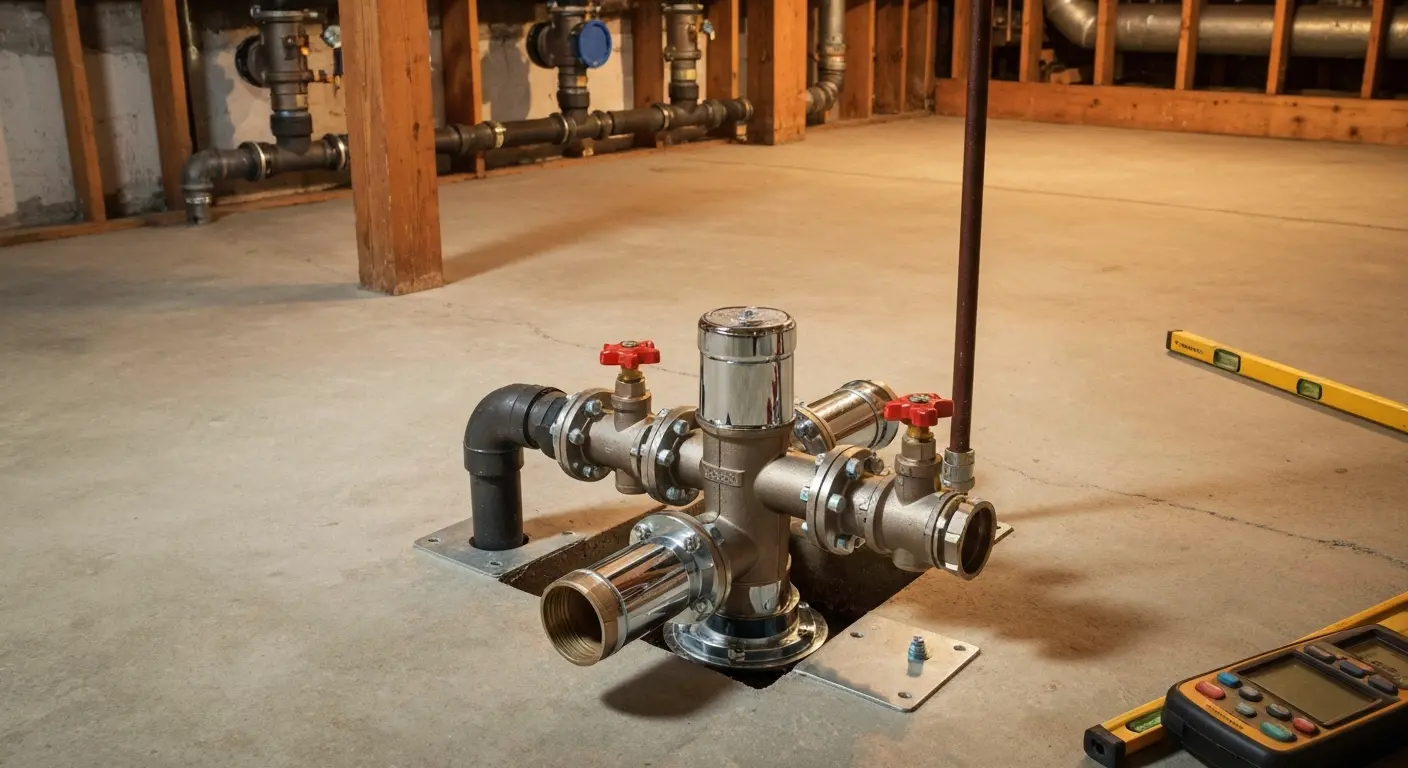
Basement protection system installed in Hyde Park residence
Leak Detection & Repair
Unexplained wet spots in your yard, unusually green patches, or high water bills often signal hidden leaks. In historic Hyde Park homes, leaks can damage original hardwood and plaster without warning.
We use electronic detection and camera equipment to pinpoint leaks without tearing into walls. Repair preserves your home's character while solving the problem permanently.
- Non-invasive electronic leak detection
- Minimal disruption to historic interiors
- Permanent fixes that protect property values
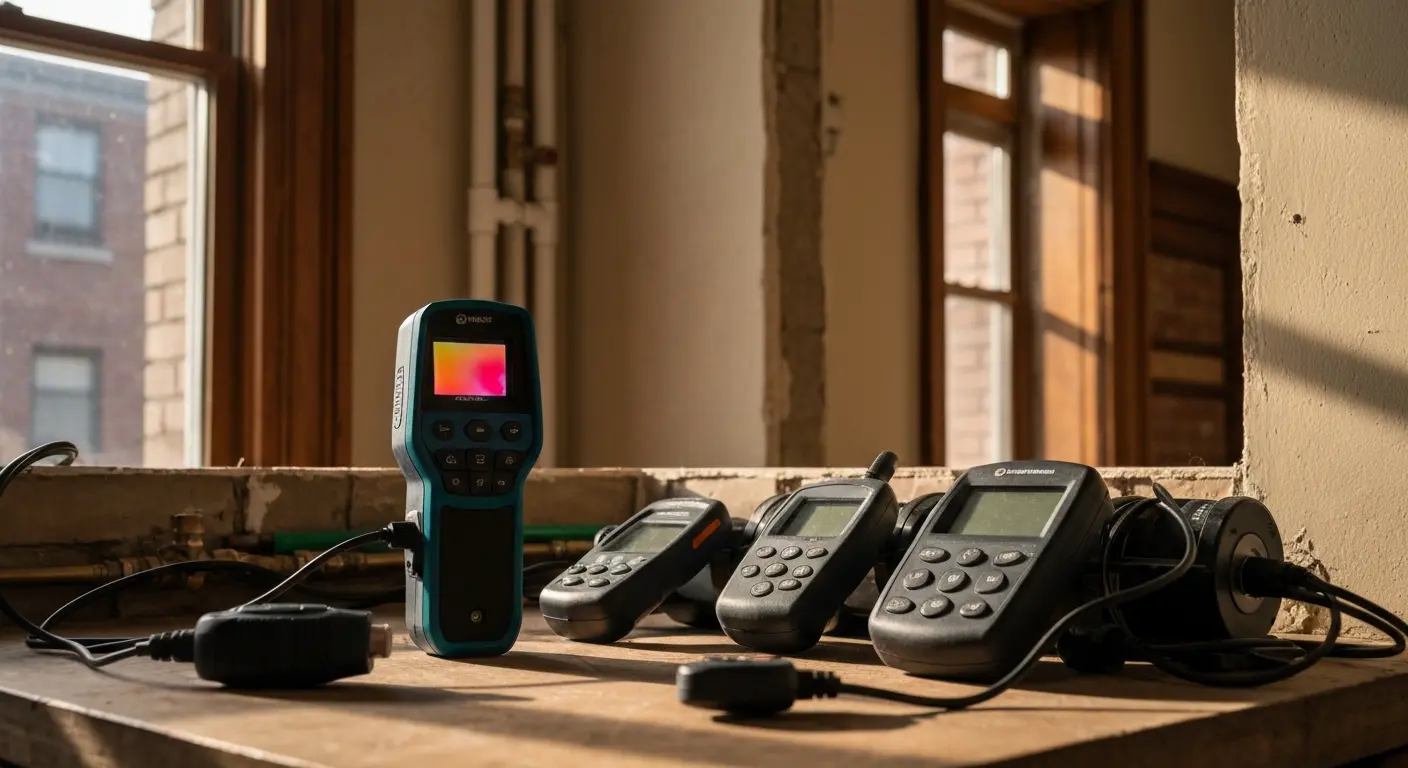
Advanced diagnostic equipment used across South Side properties
Ejector Pump Installation & Repair
Below-grade bathrooms, wet bars, and finished basements near Lake Michigan require ejector pumps to push waste uphill to the sewer. Pump failure means backup and costly property damage.
We install reliable systems, handle emergency repairs, and perform maintenance to keep them running. Chicago's clay soil and high water tables make professional service essential.
- New installation for basement fixtures
- Repair and replacement of failed pumps
- Preventive maintenance and alarm system checks
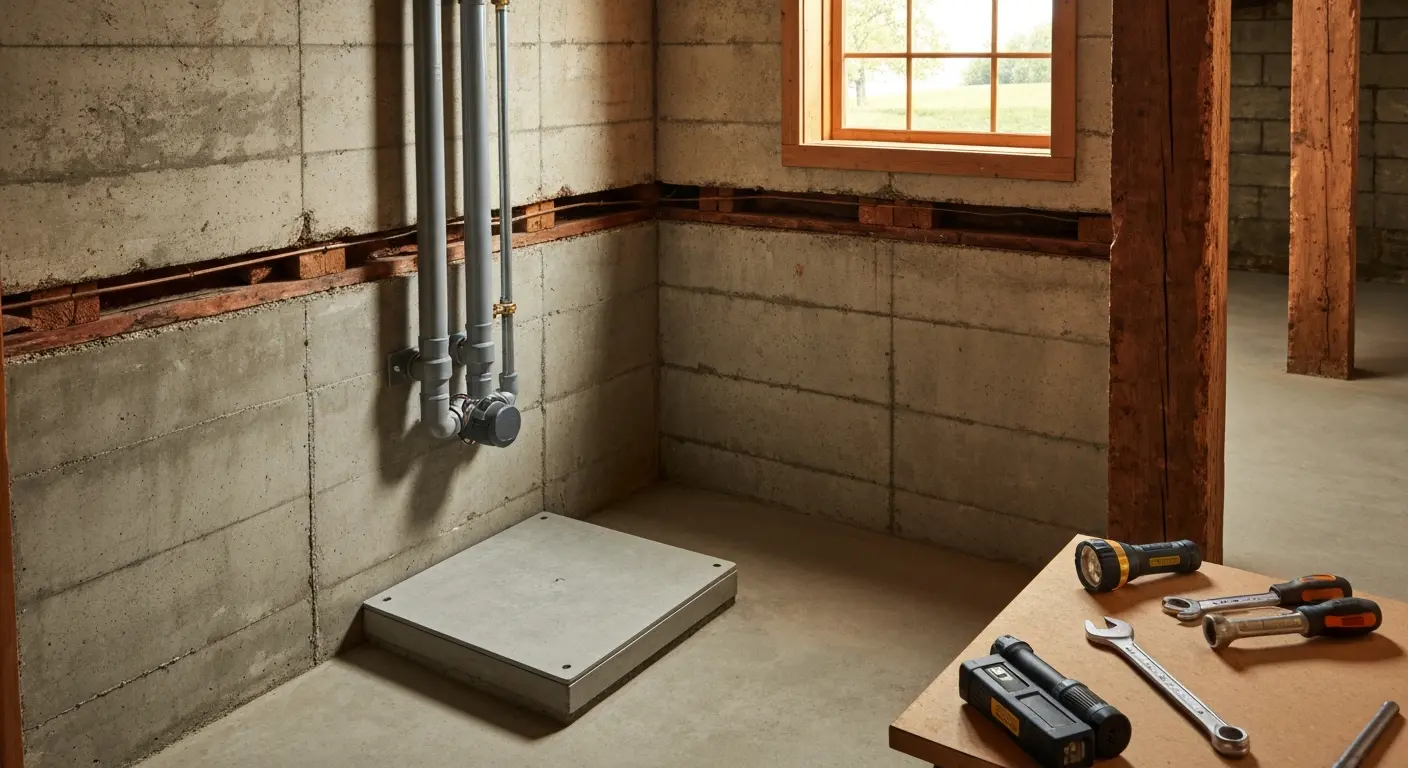
Ejector pump installation in basement near South Shore area
Why Local Expertise Matters
Hyde Park's housing stock and location demand plumbers trained in local systems and challenges.
Historic Home Expertise
62% of Hyde Park homes were built before 1939. Victorian greystones, bungalows, and two-flats feature clay tile sewer laterals, cast-iron drain stacks, and original lead supply lines. Modern plumbers who haven't worked on historic systems often cause damage or miss problems.
Historic homes demand care—we understand the unique setups in your walls and basement.
Chicago Building Codes
Chicago's plumbing code differs from other cities. Basement systems, main cleanouts, vent stacks, and sewer connections follow specific municipal rules. Every repair and installation must pass inspection.
Lake Michigan Weather & Soil
Extreme freeze-thaw cycles, heavy spring runoff, and clay-based soil create plumbing stresses. Tree roots intrude into sewer lines. Basements flood during storms. High water tables near the shoreline demand ejector pumps and backwater protection.
Aging Infrastructure
Sewer lines installed in the 1880s–1950s accumulate sediment and crack. Heavy rain overwhelms older systems. Understanding which problems demand immediate attention and which can wait saves money and prevents emergency situations.
Commonly Asked Questions
Why is my basement backing up during heavy rain?
Older sewer systems near the lakeshore can't handle heavy downpours. Tree roots block lines, and clay-tile pipes crack under ground pressure. A backwater valve and regular camera inspections prevent damage.
Does my Victorian home need a full pipe replacement?
Not always. We inspect lines to identify which sections are failing. Some homes need selective replacement of the worst sections. Lead removal is a priority if original supply lines exist.
What does a sewer camera inspection cost and what does it show?
Camera inspection reveals cracks, roots, corrosion, and pipe position. We'll show you the video and explain what must be fixed. This diagnostic step prevents guessing and costly trial-and-error repairs.
What's the difference between trenchless repair and traditional sewer replacement?
Trenchless methods (pipe bursting, cured-in-place repair) fix lines without excavation—protecting your hardwood floors, basement finish, and landscaping. Traditional digging is needed for severely collapsed lines or major changes.
How can I prevent frozen pipes in winter?
Insulate exposed pipes, seal cracks in crawlspaces, and open cabinet doors below sinks during freezing weather. In high-risk homes, we can install heat tape or improve insulation in vulnerable areas.
Are ejector pumps required for finished basements?
Yes. Below-grade bathrooms and fixtures legally require a pump system in Chicago. Ejector pumps push waste uphill to the main sewer when gravity won't work—standard for lakefront and low-lying areas.
DISCOVER WHAT OUR CUSTOMERS HAVE TO SAY ABOUT US
REVIEWS
proudly serving these areas
Chicago, IL
Downtown Chicago, IL
Loop, IL
River North, IL
Gold Coast, IL
Lincoln Park, IL
Lakeview, IL
Wicker Park, IL
READY TO take the next step?
get a free quote TODAY!
QUICK LINKS
our services
service areas
operating HOURS
Mon: 7:00 am - 6:00 pm
Tue: 7:00 am - 6:00 pm
Wed: 7:00 am - 6:00 pm
Thu: 7:00 am - 6:00 pm
Fri: 7:00 am - 6:00 pm
Sat: 8:00 am - 4:00 pm
Sun: Closed - Closed