Sewer & Plumbing Services in River North, IL
Local Plumbing Expertise
In River North, Chicago—where high-rises tower above the Chicago River and premium lofts pack dense blocks—plumbing demands precision. A plumber in River North, IL must master water pressure on 40+ stories, protect basements from sewer backup during heavy rain, and handle ejector pump systems in older buildings. This guide walks you through what makes River North plumbing unique and how to protect your home.
How We Work
From diagnosis to long-term protection, plumbing service follows a clear path so you know exactly what's happening.
The Five Steps to a Fixed System
Every job moves through the same process: identify the problem, explain your options, get the work done safely, inspect the result, and give you tools to prevent future issues. This approach works whether you're in a 50-year-old high-rise or a converted warehouse loft in River North.
Diagnose the Problem
We listen to what you're seeing: slow drains, wet basements, or foul odors near sump lines. Video inspection of pipes pinpoints the exact issue without guessing.
Present Your Options
Maybe it's a simple cleaning. Maybe your ejector pump needs replacement. We explain each option clearly so you choose with confidence.
Perform the Work
Our crew arrives with tools and parts. We keep your space clean, protect your floors, and work until the problem is truly resolved. No shortcuts.
Inspect & Test
We run water, observe pressure, check drains, and confirm the system operates correctly. You see proof that the job is done right.
Plan for Prevention
We discuss regular maintenance, annual inspections, and early warning signs so your plumbing stays healthy and you avoid costly emergencies.
You'll always know what's happening next—and why.
Our Services
River North's buildings need more than standard plumbing. We specialize in the systems that keep high-rise homes safe and dry.
Water Line Repair & Replacement
Old cast-iron or galvanized water pipes corrode and leak, especially in buildings older than 50 years. River North has many historic lofts and converted industrial spaces where pipes may be 60+ years old.
We replace failing lines with modern copper or PEX, restoring full water pressure to upper floors and ending the risk of water damage in finished spaces below.
- Full tracing: Locate every pipe in your walls
- Pressure testing: Verify system works after repair
- Leak detection: Find hidden drips before they cause mold
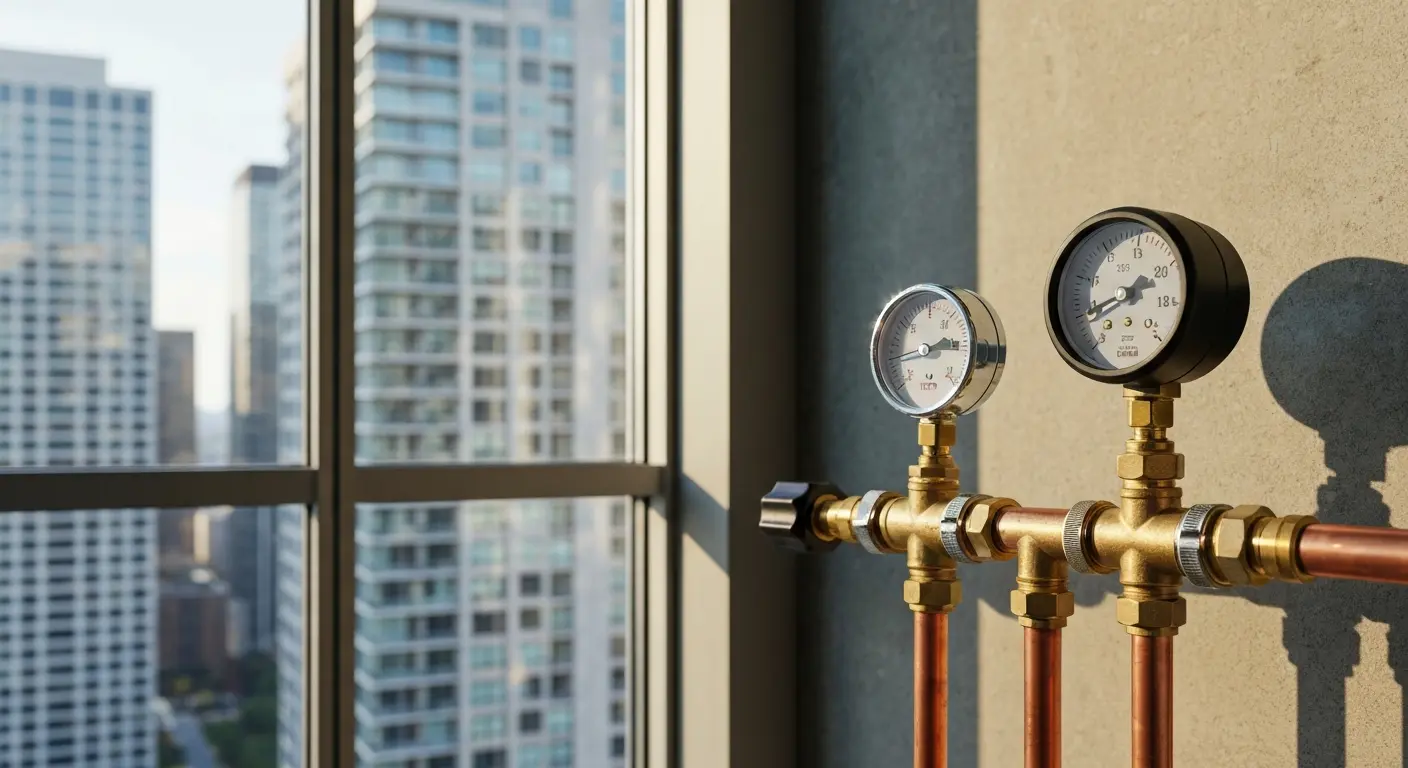
Water line replacement in River North residential high-rise, restoring full pressure to all floors.
Ejector Pump Installation & Repair
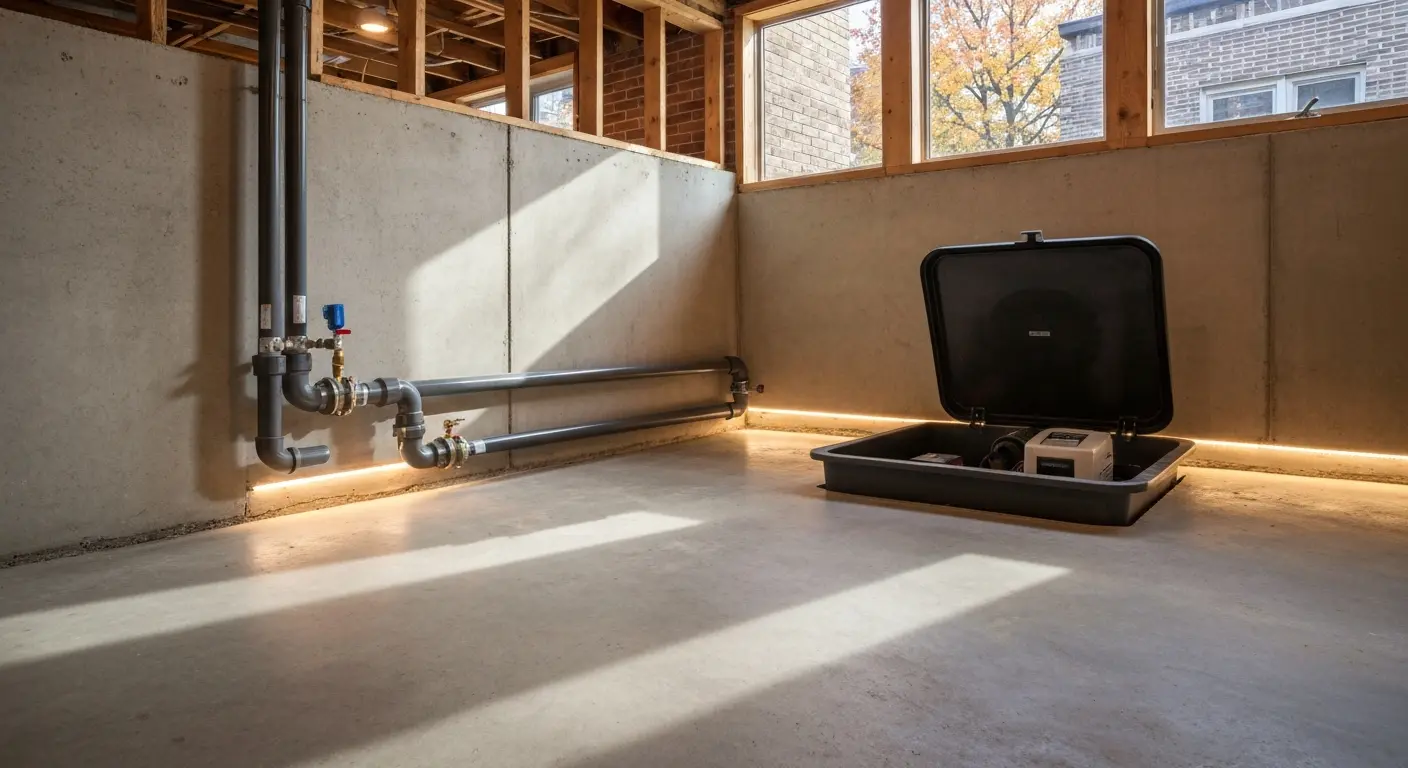
Ejector pump installation protects River North basements from sewage backup during heavy rains.
Chicago's combined sewer system backs up during heavy rain. Basements flood. An ejector pump lifts sewage from basement fixtures (wet bar sink, floor drain, washer) to the main line above grade, preventing disaster.
Many River North properties already have ejector pumps. We repair failed motors, replace check valves, and install backup batteries so your system runs when power fails.
- Battery backup: Keep pumping during power outages
- Annual servicing: Grind solids, flush lines, test alarms
- 24/7 emergency: Pump fails at midnight—we respond
Backwater Valve Installation
A backwater valve sits in your sewer line and blocks sewage from flowing backward into your home when the public main backs up.
In dense urban areas like River North, this single valve can save you tens of thousands in basement cleanup and mold remediation. Chicago Department of Water Management recommends them for all residential properties near low-lying areas.
- External pit: Clean access point for service
- Dual valve option: Backup protection on lower fixtures
- Building permits: We pull all City of Chicago paperwork
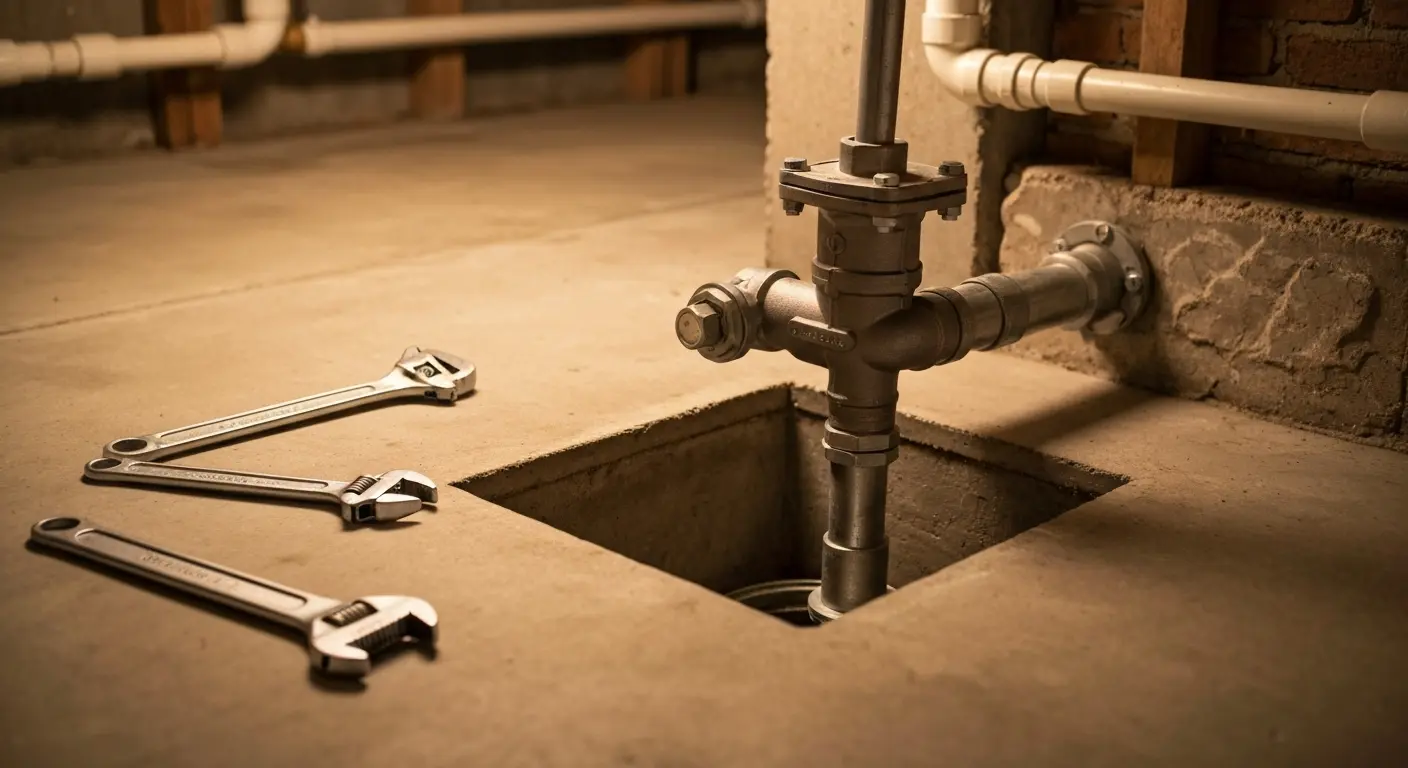
Backwater valve pit with clean-out access, installed in River North basement.
Leak Detection Services
A small leak in a wall or under a slab grows into mold, wood rot, and structural damage. Modern equipment finds leaks without tearing into walls: acoustic sensors, thermal imaging, and dye tracing pinpoint the exact spot.
Many River North condos hide plumbing inside concrete slabs. Early detection saves the cost of slab cutting and floor replacement. We also work with insurance adjusters on damage claims.
Why Local Expertise Matters
River North isn't typical Chicago. Here's why you need a plumber who understands this neighborhood.
High-Rise Water Pressure Challenges
Buildings over 10 stories require pressurization systems (booster pumps, gravity tanks, or pneumatic tanks) to push water to the 30th floor and beyond. These systems fail silently: a dying pump means weak showers on upper floors, and residents blame their fixtures instead of the building infrastructure.
We test water pressure at multiple floors, identify which pressure zone is failing, and repair or replace the pump without disruptive construction. Most residents never know we were there.
Basement Flooding & Sewer Backup Risk
Chicago's combined sewer system merges stormwater and sewage. Heavy rain overwhelms the system. When it rains hard, sewage backs up through basement drains, floor drains, and toilet overflows. It happens fast—often overnight.
A backwater valve or ejector pump installed now costs a fraction of the mold, carpet, and foundation damage you'll face after a flood. We help you assess your risk and recommend protection before a rain event threatens your property.
Real scenario: A condo owner in River North ignored a weak basement drain smell. Two months later, a summer storm backed up sewage into their finished basement. Cleanup cost $18,000 and took six weeks. A backwater valve would have cost $1,200.
Building Code & Permit Expertise
Chicago's plumbing code is strict. High-rise buildings have additional rules: sump pump discharge, backwater valve pits, double-check valves on water supplies. HOAs often require specific materials and certifications.
We know which permits you need, which inspections apply, and how to get City approval without delays. You avoid fines and conflicts with your building's engineering team.
Coverage & Service Area
We serve River North and nearby neighborhoods, with offices close to the Chicago River and Water Tower Place.
River North Neighborhoods We Serve
From the Merchandise Mart north to Chicago Avenue, west to LaSalle Street, and east to Lake Michigan. We're familiar with:
- High-rise condos and apartments near Water Tower Place
- Loft conversions and historic warehouse buildings
- Gallery district buildings and mixed-use properties
- River-facing residential complexes with complex drainage
Getting in Touch
Call for a free consultation and pressure test. We're available for emergency service, routine maintenance, and new installations. Mention your building's age and any known pressure or flooding issues so we can prepare the right equipment.
We speak the language of River North plumbing—high-rises, pressure zones, sewer backups, and historic systems.
What You Should Know: Featured Q&A
Real questions from River North homeowners and condo owners.
Do I really need a backwater valve in River North?
Yes. Chicago's combined sewer system backs up during rain, and River North sits on dense urban infrastructure. A backwater valve is cheap insurance against tens of thousands in sewage damage. We recommend one for any property with a basement, window wells, or floor drains below street level.
Why is water pressure weak on my upper floors?
High-rise buildings lose water pressure as elevation increases. If your 35th floor has weak pressure but the 5th floor is normal, the building's pressurization pump is failing. Contact your building engineer or a plumber to test and replace the pump. It's a common high-rise issue that's easily fixed.
What if my ejector pump alarm goes off?
The alarm means the pump isn't keeping up with sewage flowing in. The tank is rising. This is an emergency. Call a plumber immediately. The pump may be clogged, the check valve may be stuck, or the motor may be failing. Don't ignore it—a failed ejector pump floods your basement fast.
Does my HOA approve all plumbing work?
Most River North condos and high-rises have rules about plumbing modifications, especially for water lines and sewer lines that affect shared infrastructure. Contact your building engineer or HOA before starting work. We're happy to coordinate with them and get required approvals.
What signs show my sewer line is failing?
Watch for slow drains in multiple fixtures, foul sewage odors, wet spots in the yard or basement, or sewage backing up into tubs and toilets during rain. These signal a cracked, collapsed, or root-invaded sewer line. Video inspection confirms the problem. Some pipes can be cleaned; others need replacement.
Are there City of Chicago rebates for backwater valves?
Chicago occasionally offers rebate programs for flood prevention. Check the Department of Water Management website or ask your property manager. Even without rebates, a backwater valve pays for itself by preventing one serious flood event. We can help you understand the full cost and benefits.
DISCOVER WHAT OUR CUSTOMERS HAVE TO SAY ABOUT US
REVIEWS
proudly serving these areas
Chicago, IL
Downtown Chicago, IL
Loop, IL
River North, IL
Gold Coast, IL
Lincoln Park, IL
Lakeview, IL
Wicker Park, IL
READY TO take the next step?
get a free quote TODAY!
QUICK LINKS
our services
service areas
operating HOURS
Mon: 7:00 am - 6:00 pm
Tue: 7:00 am - 6:00 pm
Wed: 7:00 am - 6:00 pm
Thu: 7:00 am - 6:00 pm
Fri: 7:00 am - 6:00 pm
Sat: 8:00 am - 4:00 pm
Sun: Closed - Closed