Sewer & Plumbing Services in Downtown Chicago, IL
Local Plumbing Expertise
Downtown Chicago's high-rise towers and historic buildings demand specialized plumbing expertise that goes far beyond standard repair work. A plumber in Downtown Chicago, IL must navigate complex water pressure systems across dozens of floors, manage below-grade fixtures through ejector pumps, and address the unique sewage disposal service challenges that come with living and working in the city's densest neighborhoods. From the Loop's architectural landmarks to River North's lofts, we understand the intricate plumbing needs that keep downtown properties functioning.
How Downtown Plumbing Works
Understanding your system—and when it needs help
The High-Rise Challenge
Managing water pressure in high-rise buildings becomes more complicated as buildings grow taller, with pressure naturally seeking to flow downwards due to gravity. Downtown condos and office buildings rely on pressure-regulating zones and booster systems to ensure water reaches every floor consistently.
Each multi-story downtown building typically operates like its own small city, with a centralized utility system that includes domestic plumbing, mechanical and electrical utilities serving clients with very different needs. When a single system serves hundreds of units, one person's plumbing issue can affect everyone.
Below-Grade Drainage: The Ejector Pump Reality
Heavy rain, aging plumbing systems, and the city's topography mean that many basements sit below the main sewer line. When you install a bathroom or utility sink in your basement, gravity can't do the work anymore—that's where your ejector pump comes in. Downtown properties, especially Printer's Row lofts and converted coach houses, frequently face this condition.
Ejector pumps serve a critical drainage function in Chicago buildings where plumbing fixtures are installed below the level of the municipal sewer main—a common condition in Chicago's dense stock of buildings constructed between 1890 and 1940. In the Loop and West Loop, this isn't optional—it's code.
Backflow & Sewer Backup Protection
Chicago is built on a swamp, with a high water table that contributes to slower absorption rates and more water flowing overland to fill the city's sewers—an interconnected system carrying both storm runoff and sanitary sewer waste. During heavy rain, surges in the municipal sewer push water backward through floor drains and fixtures.
Backflow prevention is a critical aspect of plumbing in high-rise buildings, protecting against backflow when water from the sewage system flows back into clean water lines. Backflow preventers ensure that water moves in one direction, keeping the clean water supply safe. Chicago code mandates these protections in downtown properties.
Our Services
Expert plumbing solutions for downtown buildings
Water Line Repair & Replacement
Downtown water lines often carry lead from original installations. Chicago offers fee waivers for owner-initiated lead service line replacement, covering same-size replacement and ordinary time inspections. We coordinate with the Department of Water Management for permits and ensure your building's main water service runs cleanly and at proper pressure across all floors.
Ejector Pump Installation & Repair
Any new ejector pump installation in Chicago requires a plumbing permit issued by the Department of Buildings. Rough-in inspection and final inspection are both required before the system is placed in service. We handle the full permit process and ensure your system meets Chicago code standards.
The Chicago Plumbing Code requires a high-water alarm on ejector basins serving residential dwelling units. Commercial applications above a certain fixture unit threshold may require duplex (redundant) pump configurations. We maintain both residential and commercial systems across Streeterville and the South Loop.
Leak Detection Services
Hidden leaks in walls, slabs, and underground lines cause structural damage before they're visible. We use camera inspection and pressure testing to locate leaks without invasive demolition. Finding the source is the first step; fixing it the right way prevents future backups.
Backwater Valve Installation & Repair
Chicago code requires backflow prevention devices on certain connections—irrigation systems, boilers, commercial equipment—and their absence is a citable violation. Backwater valves stop sewage from flowing backward into your building during sewer surges. Installation requires permits and precise positioning at the property line.
Sewage Disposal Service & Maintenance
Downtown buildings rely on coordinated drainage and sewer systems that must function continuously. We provide inspections, cleaning, and repairs to keep sewage flowing away from the building. For buildings near the Chicago River (River North, West Loop), we understand unique sewer routing and pressure considerations.
Why Local Expertise Matters
Downtown plumbing isn't standard work
Chicago's plumbing code is stricter than the International Plumbing Code baseline. Galvanized steel pipe—common in homes built before 1960—is not permitted for new installations, and certain plastic pipe materials acceptable in other jurisdictions are not permitted in Chicago. Building inspectors in the Loop and South Loop enforce these rules strictly. Work done without permits creates violations that block sales and cost thousands to fix.
The Loop is home to the elevated train tracks that gave the neighborhood its name, the Art Institute, Millennium Park, and some of the world's most important early skyscrapers. These are not just architectural landmarks—they are working buildings with plumbing systems that have been serving tenants through more history than most cities accumulate. Historic Printer's Row lofts, office buildings with complex mechanical stacks, and mixed-use River North towers all demand deep local knowledge.
Proper permits aren't paperwork—they're protection.
Chicago's plumbing permit requirements are governed by the Chicago Plumbing Code, Section 18-29-102.4, which requires a permit for any addition, alteration, or repair to a plumbing system. This covers the majority of plumbing work performed in residential and commercial properties throughout the city. Skipping permits sets you up for violations, inspection holds, and liability exposure.
Many licensed plumbers will tell you that garbage disposals are terrible for plumbing in general, and that goes even more so in high-rise plumbing where drain lines are shared with hundreds of other residents. In West Loop lofts and downtown condos, what one person does impacts the whole building. Proper system design prevents everyone's problems.
Why Sewage Disposal Matters in Downtown Chicago
Chicago's history includes troublesome tales of flooded homes filled with five feet of contaminated, bacteria-carrying water from sewer backup, where residents have had to clear muck, throw out possessions and redo their basements—time and time again. Sewage disposal systems require regular inspection and maintenance to prevent catastrophic backups.
Sump pumps, roof drain downspouts, and foundation drains discharging into the sanitary sewer is an extremely common violation in older Chicago homes and one of the biggest contributors to sewer system overload during heavy rain. Proper sewage disposal routes water correctly and keeps municipal systems from backing up into residential fixtures.
Featured Question: What's the Difference Between Sump Pump and Ejector Pump Systems?
Ejector pumps are often confused with sump pumps because they look similar and both are installed in basement pits. Like sump pumps, ejector pumps collect water and wastewater, but they include a sealed lid and vent pipe for sewer gases. Sump pumps handle groundwater intrusion; ejector pumps handle raw sewage from below-grade bathrooms and laundry. Never confuse them—they require different components and code compliance.
Coverage Area
Serving all downtown neighborhoods
The Loop & Printer's Row
Most of the buildings in this area were built between 1886 and 1915 for house printing, publishing, and related businesses. Today, the buildings have mainly been converted into residential lofts. Historic cast-iron drain systems, shared vertical stacks, and tight spaces between structural columns demand careful planning and expert problem-solving.
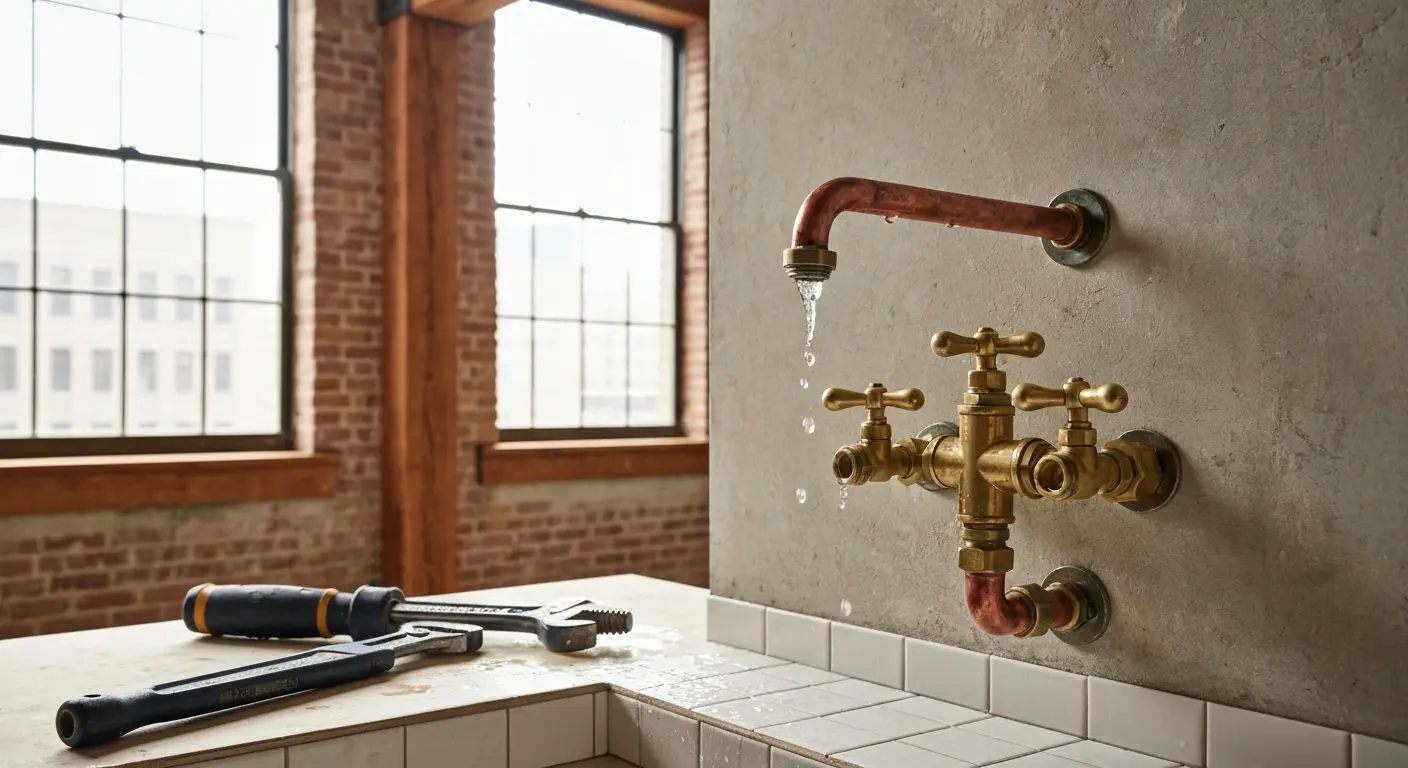
Residential lofts in Printer's Row rely on vintage plumbing infrastructure
West Loop & Fulton Market
Historic meat and fish warehouses made way for Google's Chicago campus and other tech offices. Because of West Loop's growth over the last decade, real estate development has concentrated heavily on the neighborhood, with apartment buildings blending seamlessly with brick and timber lofts. New construction and renovation-era plumbing upgrades are common here.
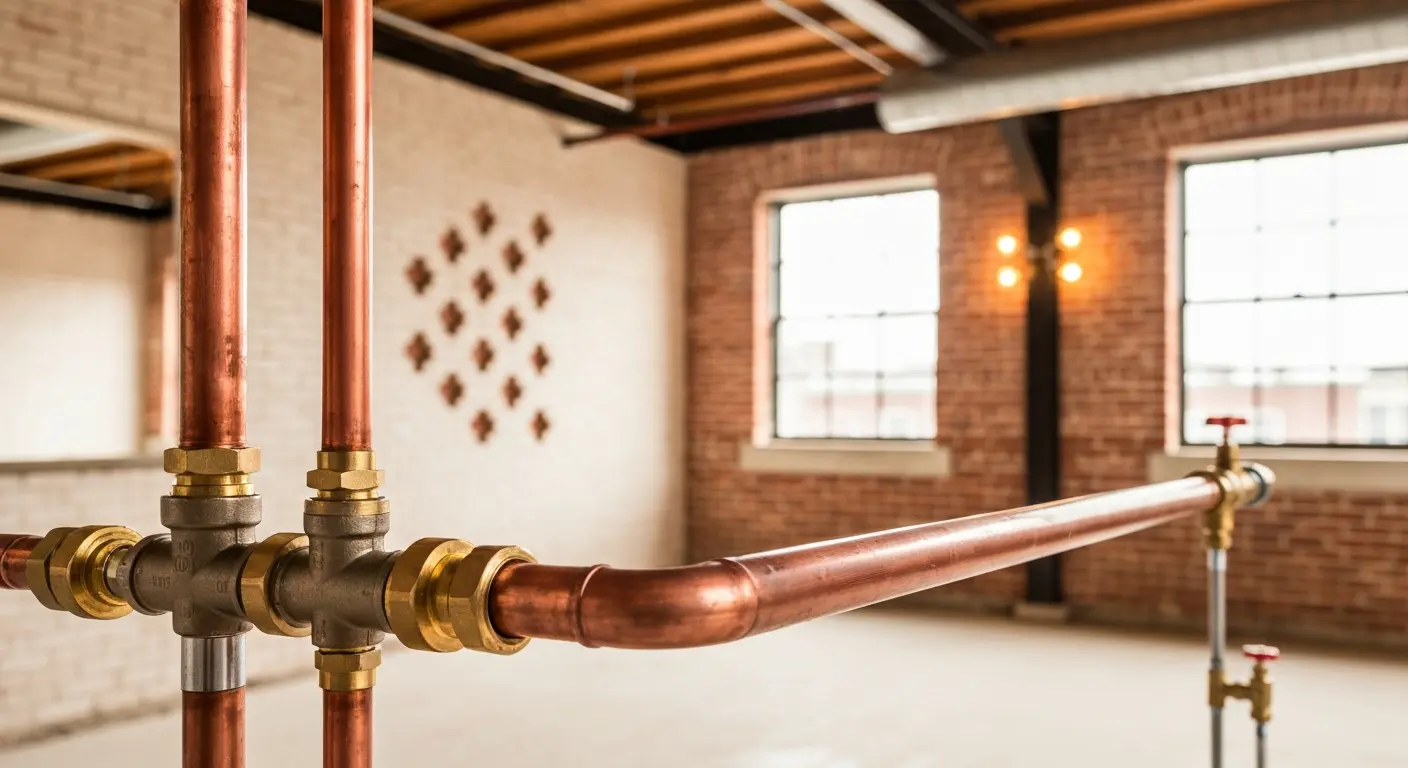
West Loop lofts blend historic warehouses with modern plumbing systems
River North & Streeterville
Streeterville is a lively neighborhood on the shores of Lake Michigan. It combines tourism, residential living, and a culture unlike any other Chicago neighborhood. Every day, thousands of tourists flock to Navy Pier, the Magnificent Mile, and the Museum of Contemporary Art. Mixed-use buildings with hotel, residential, and commercial plumbing demands require sophisticated coordination.
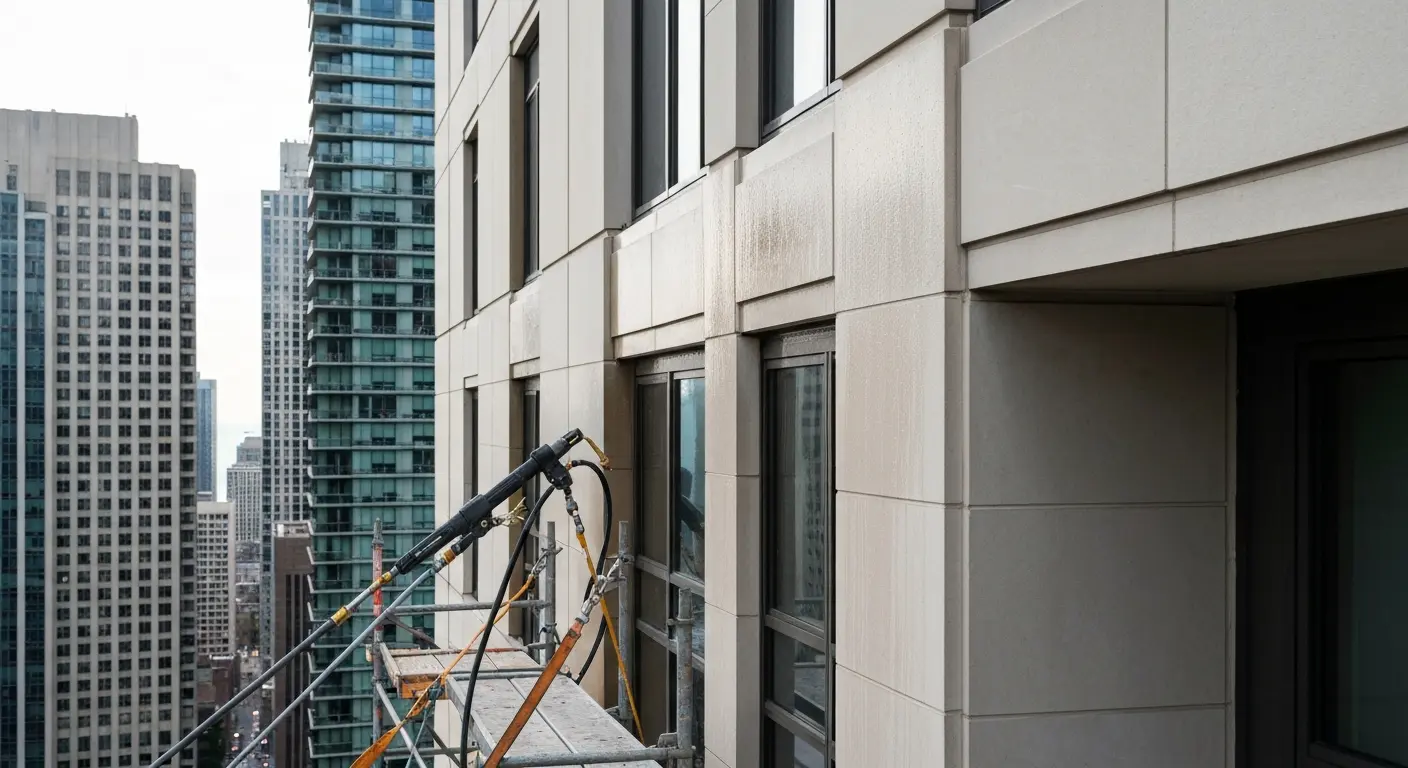
Streeterville condos require expert pressure management across multiple floors
South Loop & Lakeshore East
The South Loop has been the center of new apartment construction in Chicago for well over a decade. South Loop boasts a ton of green space at Grant Park and Soldier Field, with an easy commute to The Loop. While brand new high-rises dominate the South Loop apartment scene, the rent remains comparably more affordable than the trendy neighborhoods nearby. New construction brings code compliance challenges and first-year mechanical startup issues.
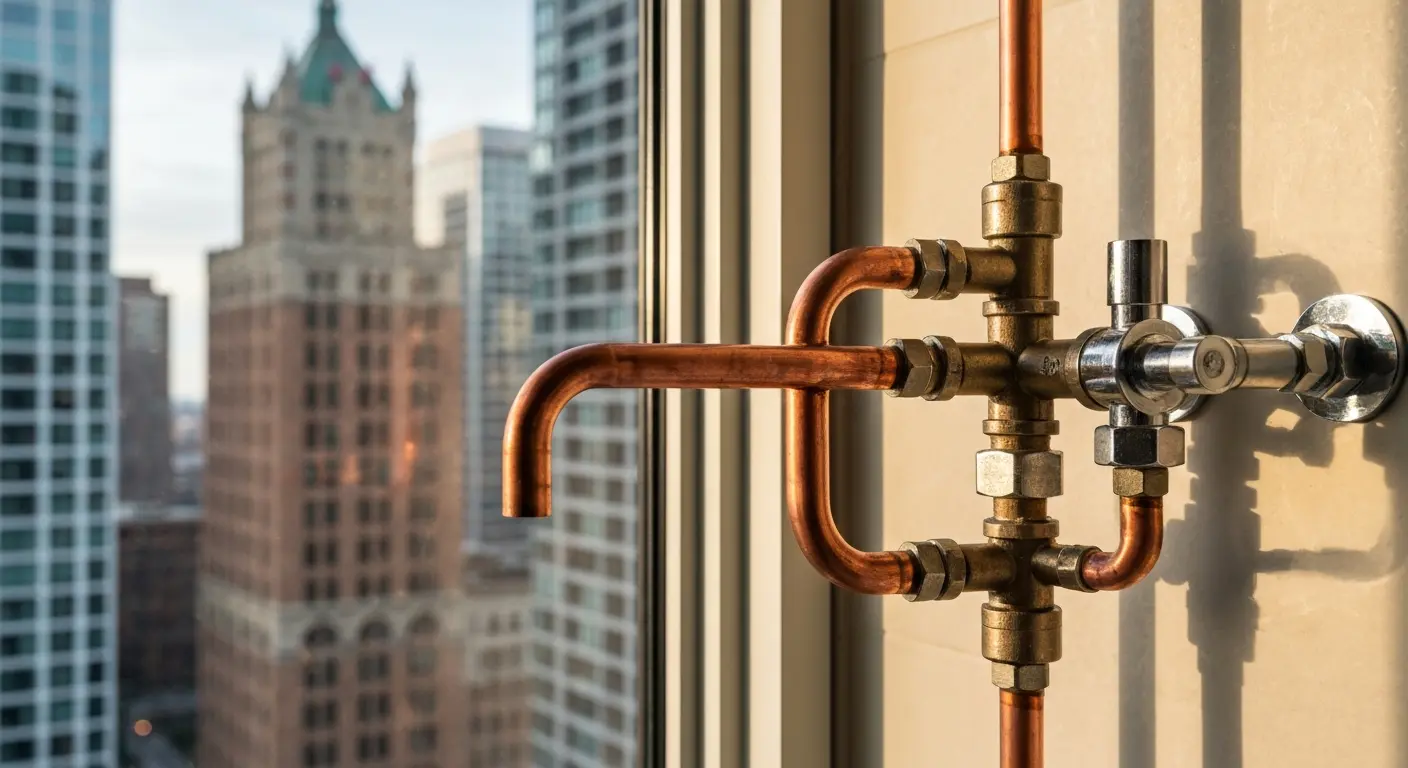
South Loop high-rises feature state-of-the-art plumbing systems
Frequently Asked Questions
Do I need a permit for a water line repair in downtown Chicago?
Yes. Replacing your main water service line from the city connection to your home requires permits from both the Department of Water Management and often the Department of Buildings. Even spot repairs may require permits depending on scope. Always hire a licensed plumber who handles permitting.
What should I do if my basement fixtures are draining slowly?
Slow drainage in basement fixtures suggests that the ejector pump is struggling to move the wastewater efficiently. First step: have the ejector pump inspected to check float switch operation and discharge line blockages. Hidden sewer line issues or improper pipe slope can also cause slow drains—camera inspection reveals the truth before you guess.
What are the signs that my ejector pump is failing?
Foul odors emanating from your basement drains, the pump not activating when water levels rise, or the pump running constantly (short-cycling) are signs that the ejector pump is failing. Constant operation wastes energy and can quickly burn out the motor. Any of these warrant immediate professional inspection.
Can I install a backwater valve myself?
Backwater valve installation is a significant structural modification to your home's drainage system and is subject to inspection to verify code compliance. Chicago requires licensed plumber installation and permits. DIY installation risks code violations and leaves you liable if it fails during a sewer surge.
Why do high-rise plumbing systems cost more to service than single-family homes?
Access to pipes and systems is often limited to hard-to-reach spaces, requiring specialized tools and equipment. Plumbers must have a deep understanding of the building's complex plumbing layout to troubleshoot and repair issues effectively. Multi-story buildings also require coordination with building management and multiple inspections, which add time and expertise costs.
What's included in a sewer camera inspection?
A sewer camera inspection sends a video probe down your sewer line to identify cracks, breaks, belly sections, root intrusion, and blockages. We provide a recorded report showing exactly what's causing flow problems and what repair options exist—from simple cleaning to pipe replacement. This eliminates guesswork and helps you decide on next steps.
DISCOVER WHAT OUR CUSTOMERS HAVE TO SAY ABOUT US
REVIEWS
proudly serving these areas
Chicago, IL
Downtown Chicago, IL
Loop, IL
River North, IL
Gold Coast, IL
Lincoln Park, IL
Lakeview, IL
Wicker Park, IL
READY TO take the next step?
get a free quote TODAY!
QUICK LINKS
our services
service areas
operating HOURS
Mon: 7:00 am - 6:00 pm
Tue: 7:00 am - 6:00 pm
Wed: 7:00 am - 6:00 pm
Thu: 7:00 am - 6:00 pm
Fri: 7:00 am - 6:00 pm
Sat: 8:00 am - 4:00 pm
Sun: Closed - Closed