Sewer & Plumbing Services in Chicago, IL
Local Plumbing Expertise
Chicago's older neighborhoods rely on aging underground infrastructure. Root intrusion, clay soil shifts, and Chicago's combined sewer system create unique challenges. Our plumber | Chicago, IL team diagnoses water line issues, installs ejector pumps, and provides sewage disposal service | Chicago, IL solutions built for your building's needs.
We work in Wicker Park, Lincoln Square, Lakeview, Pilsen, and across the city. Proximity matters when your basement is at risk during a storm.
How We Work
From your first call through final inspection, you know exactly what happens next
Inspect the Problem
We assess your sewer, water line, or drainage issue with camera inspection and testing to isolate the exact location and cause.
Recommend Your Options
Repair, replacement, or drainage upgrade—we explain each path with clarity so you choose what fits your home.
Secure the Permit
Chicago requires licensed contractor permits for sewer work. We handle the Department of Buildings process.
Complete the Work
We perform the repair or install new piping, pumps, or backwater protection—on-schedule, clean site, and fully inspected.
Verify & Follow-Up
City inspector sign-off, system pressure test, and a clear walk-through leave you confident in the fix.
Maintain Going Forward
We offer camera inspection schedules and preventive maintenance to avoid future clogs and surprises.
You'll always know what's happening next—and when.
Our Services
Water Line Repair & Replacement
Chicago's clay-rich soil causes water lines to shift and crack as ground moves. Older clay pipes fail faster. We replace failed water lines with modern PVC or copper and handle municipal meter disconnections.
- Detect leaks with pressure testing and locating equipment
- Excavate and replace damaged main water service lines
- Coordinate with Chicago Water Management for meter work
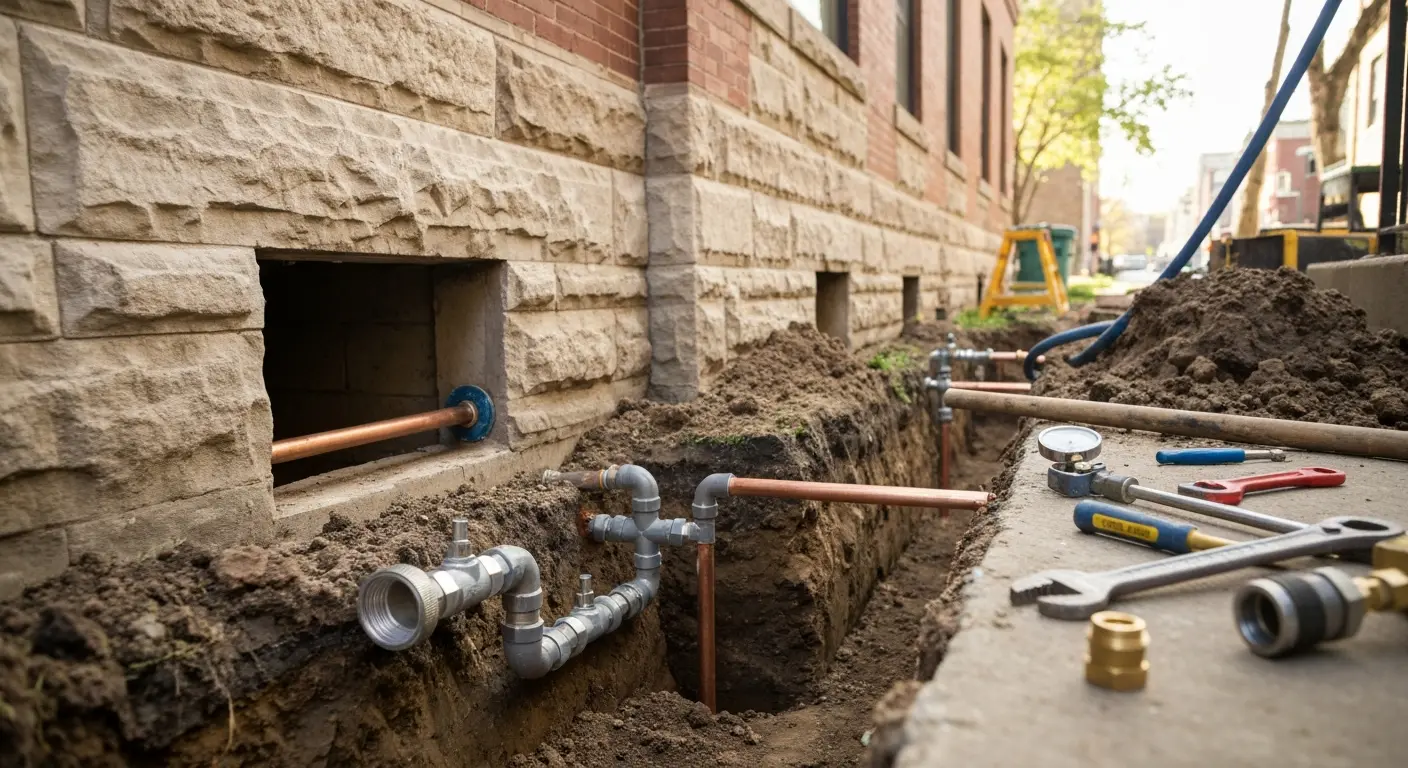
Water line replacement in Hyde Park and similar neighborhoods with early-1900s infrastructure.
Leak Detection Services
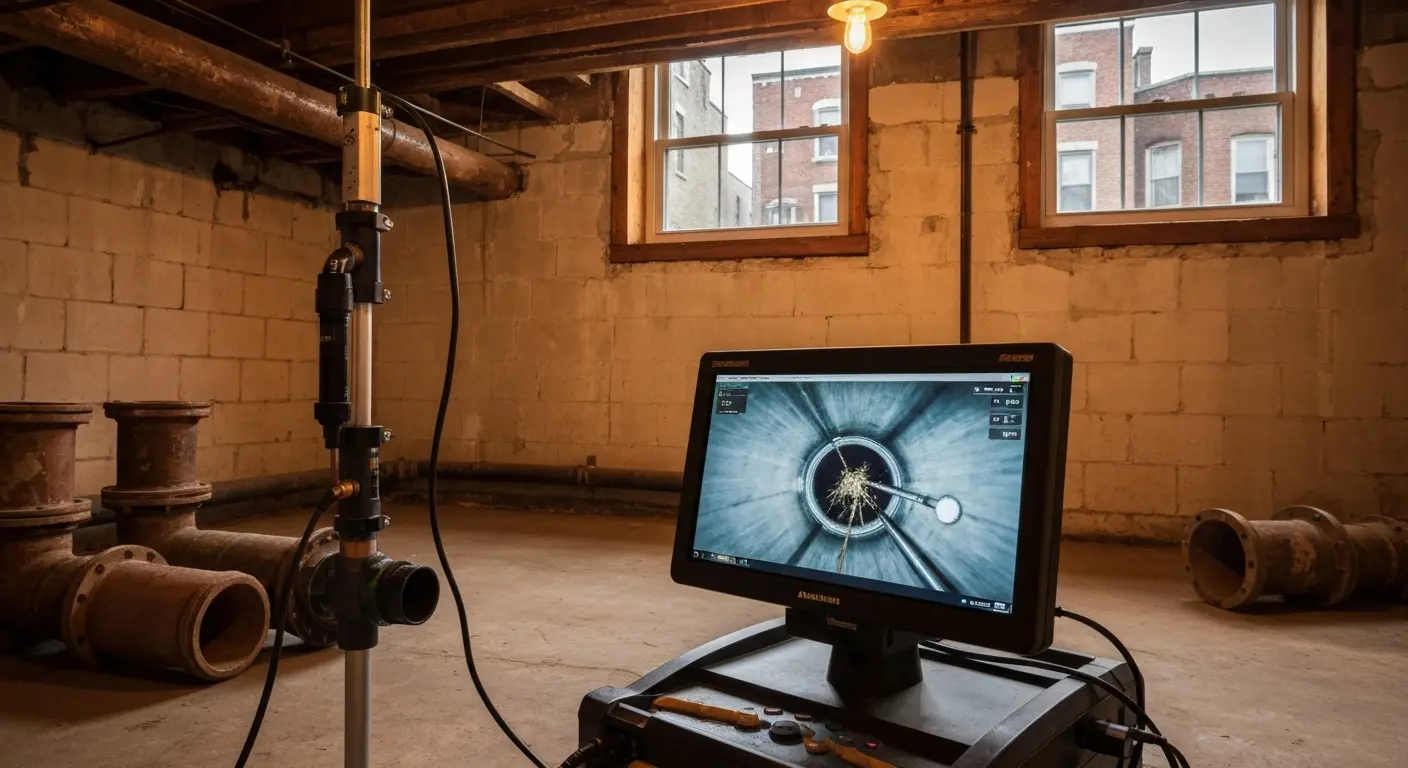
Sewer camera inspection exposing root infiltration in Lincoln Park residential lines.
Tree roots cause nearly 50% of sewer blockages in older neighborhoods. We video-scope your entire sewer line, pinpoint the blockage or break, and show you exactly where it is.
- High-definition camera inspection of sewer laterals
- Spot root invasions, cracks, and collapsed sections
- Provide a digital report you can keep for insurance or repairs
Ejector Pump Installation
Ejector pumps serve basement fixtures and floor drains, forcing collected sewage to a discharge point above the sewer's surcharge elevation. Required for basement bathrooms, wet bars, or finished lower levels in Chicago homes.
- Size the pump correctly for your home's basement layout
- Install sealed, vented pit per Chicago Plumbing Code
- Add check valve and discharge line above sewer surcharge level
Backwater Valve Installation
During heavy rain, Chicago's combined sewer system becomes overwhelmed, causing pressure to build and force sewage back into residential plumbing systems. A backwater valve stops this surcharge cold.
- Floor-mounted device on your main sewer lateral
- Opens for normal outflow, closes when pressure reverses
- Accessed via vault for annual inspection and cleaning
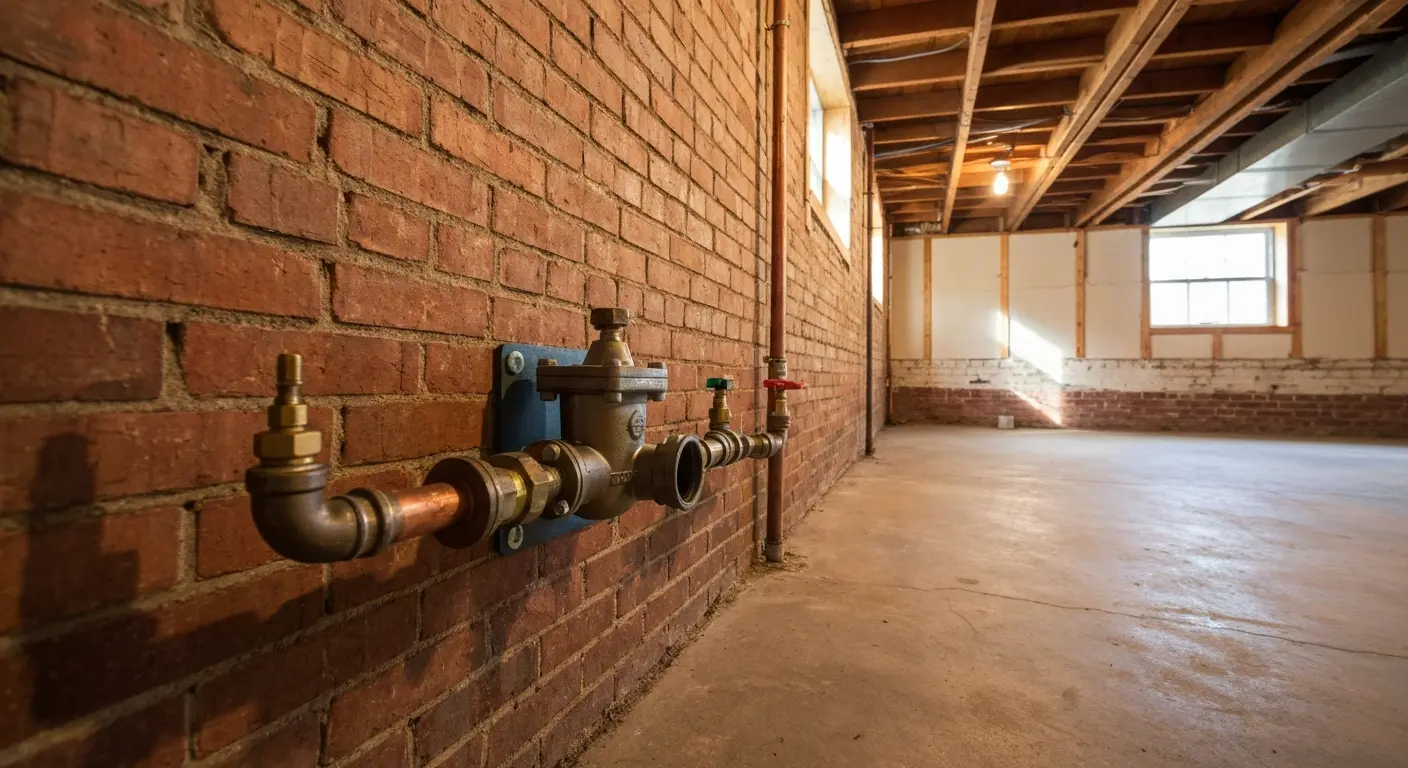
Backwater valve installation protecting basements in Ravenswood and nearby older communities.
Backwater Valve Repair
Backwater valve flaps accumulate grease, debris, and root material. A stuck-open flap provides no protection. We clean, reseat, and test your valve to restore full function.
- Excavate vault and clean accumulated grease and debris
- Inspect flap mechanism and seals for wear or damage
- Test closing pressure and opening force before backfill
Why This Matters in Chicago
Your home's drainage system faces pressures most cities never deal with
Chicago is built on a swamp. The high water table contributes to slower absorption rates and more water flowing into the city's sewers—an interconnected system carrying both storm runoff and sanitary sewer waste.
Most Chicago buildings are 80+ years old. Their plumbing and sewer laterals—often clay—were built before root control and soil stabilization were understood. Ground shifts. Water pressure varies block by block. Basement flooding isn't rare; it's a design reality.
Heavy Rain = Sewer Surcharge
Chicago's combined sewer system handles both wastewater and stormwater. During heavy rain, the system can become overwhelmed, causing pressure to build and force sewage back into residential plumbing systems. A backwater valve or ejector pump is not optional for basement protection.
Permit & Inspection Required
Sewer and drain work—lateral sewer repairs, backflow preventer installations, and ejector pump installations—each require permits and licensed labor under Chicago code. City inspectors check pit venting, valve accessibility, and discharge elevation. We handle all of it.
Why Proximity Matters
Chicago neighborhoods have different soil, sewer main depths, and building codes
A plumber familiar with Wicker Park's tight lot lines and shallow sewer mains won't assume Pilsen's layout. Lakeview's older brownstones need different ejector pit sizing than Lincoln Square's newer walk-ups. We know these distinctions because we've worked across the city for years.
When your basement is backing up or your yard smells like sewage, you don't need a plumber from the suburbs. You need someone nearby who gets the Chicago system—and can respond fast.
Frequently Asked Questions
What's the difference between a backwater valve and an ejector pump?
A backwater valve stops sewage surging back from the city sewer during heavy rain. An ejector pump lifts wastewater from below-grade fixtures (basement bathroom, wet bar) up and over the sewer surcharge level. Many homes need both.
Do I need a permit for sewer work in Chicago?
Yes. Sewer and drain work—lateral sewer repairs, backflow preventer installations, and ejector pump installations—each require permits and licensed labor under Chicago code.
How often should I inspect my sewer line?
While there isn't a specific timeframe for sewer line inspections, it's recommended to have your home sewer line camera inspected every 1-2 years, especially if you live in an older home or an area with a history of sewer line issues.
Will a backwater valve stop me from using my drains during a sewer backup?
When a backwater valve is sealed shut because it's blocking a surcharge from the street, water can't flow out of your drains either—so you won't be able to use toilets, sinks, or showers until pressure normalizes. This is why pairing a backwater valve with an ejector pump offers full protection.
What should I do if sewage backs up into my basement?
Stop using water immediately to prevent further backup. Avoid entry if raw sewage is visible (health hazard). Call us or a licensed plumber. Do not attempt to snake or plunge—you risk pushing sewage deeper into your home or damaging pipes.